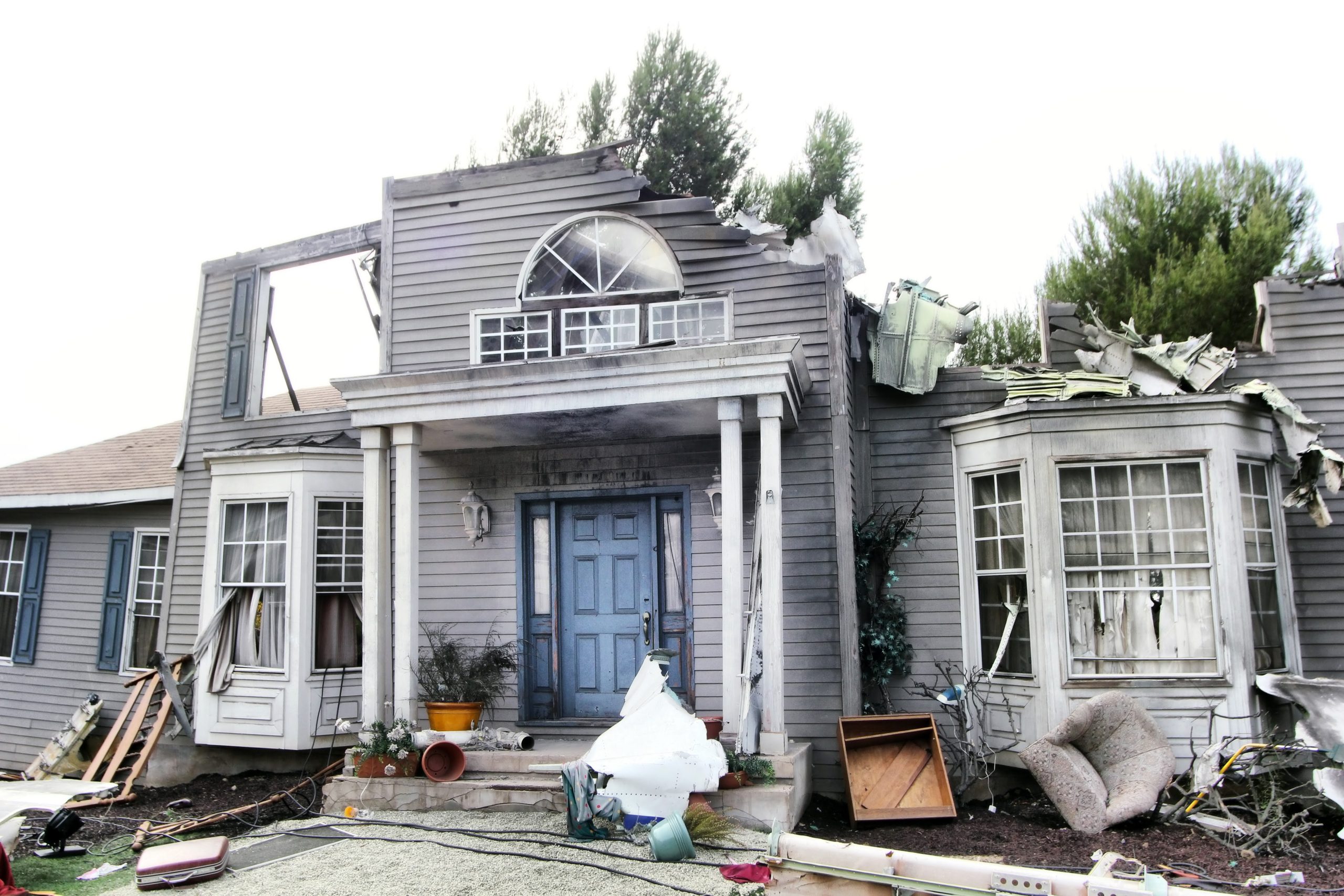
Unexpected property damage can turn an ordinary day into a stressful and uncertain experience. Whether it’s caused by a sudden storm, a burst pipe, a fire, or an unforeseen accident, the impact can feel both immediate and overwhelming. Beyond the visible damage, there’s also the emotional weight of disruption—your routine changes, your space feels unfamiliar, and decisions need to be made quickly. It’s no surprise that many property owners find themselves feeling stuck, unsure of where to begin or how to move forward after such an event.
If you’re currently dealing with this situation, know that you’re not alone—and that recovery is possible with the right mindset and approach. This article will walk you through what to expect after unexpected property damage and how to navigate the process with more clarity and confidence. From the first steps you take to the final stages of restoring your space, you’ll gain practical insights that can help ease the burden.
Assess the Damage and Ensure Safety First
In the immediate aftermath of property damage, it’s completely natural to want to assess everything right away, but safety must always come first. Before stepping into the affected area, take a moment to consider potential hazards such as exposed electrical wiring, weakened structures, or even lingering smoke or water contamination. If the damage appears severe, it’s best to wait for emergency responders or qualified professionals to declare the area safe.
Once you are confident it is secure to enter, proceed slowly and observe your surroundings carefully rather than rushing through the space. Pay attention to anything that could pose a hidden danger, especially in areas that may have been structurally compromised. As you move through the property, begin forming a general understanding of the extent of the damage without disturbing anything unnecessarily. This calm and cautious approach not only protects your well-being but also lays a solid foundation for the steps that follow.
Document Everything Thoroughly
Once you’ve ensured that the area is safe, the next natural step is to document the damage as thoroughly as possible. This stage is more important than it may initially seem, as your documentation will serve as the backbone of your insurance claim and recovery plan. Begin by taking clear photos and videos of all affected areas, capturing both wide shots and close-up details to provide a complete picture. It’s helpful to move systematically from one room to another so that nothing is accidentally overlooked.
Alongside visual records, create a written inventory of damaged items, including descriptions, approximate values, and purchase details if available. This process might feel time-consuming, but it ensures accuracy and reduces the likelihood of disputes later on. By taking the time to carefully document everything, you create a reliable record that supports every decision moving forward.
Contact Your Insurance Provider
With your documentation in place, reaching out to your insurance provider becomes the next logical step in the recovery process. Prompt communication is key, as it allows your claim to be initiated without unnecessary delays. When speaking with your insurer, provide a clear and honest account of what happened, supported by the evidence you’ve gathered. They will typically guide you through the claims process, explaining what to expect and what additional information may be required.
It’s important to ask questions during this stage, especially if any part of your coverage or the process seems unclear. Keep a record of all correspondence, including emails, claim numbers, and notes from phone conversations. Staying organized and proactive in your communication helps build a smoother and more efficient experience. As you move forward, this connection with your insurer becomes a central part of your recovery journey.
Prevent Further Damage
While waiting for your insurance claim to progress, your focus naturally shifts toward protecting your property from further harm. Even after the initial damage has occurred, factors like weather, moisture, or exposure can continue to worsen the situation if left unaddressed. Taking temporary preventative measures can make a significant difference in preserving what remains of your property. For example, you might cover broken windows with boards or plastic, place tarps over damaged roofing, or shut off water sources to prevent leaks. These actions don’t need to be permanent fixes, but they should be effective enough to stabilize the situation.
Be sure to document any steps you take and keep receipts for materials or services, as these may be reimbursable through your insurance. Acting quickly yet thoughtfully during this stage demonstrates responsibility and helps limit additional losses. It also ensures that when repairs begin, the damage hasn’t unnecessarily escalated.
Find Reliable Restoration Professionals
As your claim moves forward and your property is stabilized, the next step involves bringing in professionals who can handle the restoration process effectively. This is where restoration specialists play a crucial role, as they have the damage restoration service knowledge, training, and necessary tools to address different types of property issues.
Whether it’s water extraction, fire damage restoration, or structural repairs, their expertise ensures that the work is done safely and thoroughly. Choosing the right team requires a bit of research, so take the time to compare providers, read reviews, and request detailed estimates. It’s also helpful to ask about timelines and the scope of their services so you know what to expect. Working with professionals not only speeds up the recovery process but also gives you confidence that your property is in capable hands. With their support, what once felt overwhelming becomes a series of manageable steps toward restoration.
Organize Repairs and Replacement Strategically
With restoration underway, the process naturally evolves into organizing repairs and replacing damaged items in a thoughtful and strategic way. It can be tempting to rush into decisions, especially when you’re eager to return to normal, but a structured approach often leads to better outcomes. Start by prioritizing essential repairs that affect safety and functionality, such as structural fixes, electrical systems, and plumbing.
Once those are addressed, you can begin focusing on cosmetic improvements and replacing personal belongings. Keeping all documents, receipts, and warranties organized in one place will make tracking expenses and insurance reimbursements much easier. This stage is also an opportunity to reassess your needs and consider upgrades that may improve your property in the long run. By taking a balanced and organized approach, you avoid unnecessary stress and ensure that each step contributes meaningfully to your recovery.
Take Steps to Prevent Future Damage
As your property begins to feel whole again, it’s a good time to reflect on how you can reduce the risk of similar incidents in the future. Prevention may not undo what has happened, but it can provide reassurance and a greater sense of control moving forward. Regular maintenance plays a key role, whether it’s inspecting your roof, checking plumbing systems, or ensuring that electrical components are in good condition. Installing protective features like smoke detectors, water leak sensors, and surge protectors can also help detect problems early.
Additionally, reviewing your insurance policy allows you to confirm that your coverage aligns with your current needs. Some homeowners even choose to invest in more resilient materials or upgrades that can better withstand environmental factors. These proactive steps not only protect your property but also contribute to long-term peace of mind. In many ways, prevention becomes the final and most empowering stage of recovery.
Rebuild Your Space with Confidence
Recovering from unexpected property damage is rarely easy, but it becomes far more manageable with a clear plan and a steady mindset. Along the way, it also presents an opportunity to rebuild in a way that is stronger and more resilient. While challenges like these often arrive without warning, they can help you move forward with greater awareness and preparation. If you ever find yourself facing unexpected property damage, remember that recovery is not only possible—it’s achievable with the right approach and a clear path forward. And if handling everything on your own feels overwhelming, reach out to the experienced professionals at Envirotech so we can provide you with the guidance and support you need every step of the way.
Frequently Asked Questions
What should I do immediately after property damage occurs?
Begin by making sure everyone is safe and stay away from any hazardous areas. Once it’s secure, document the damage with photos and notes. Then, contact your insurance provider as soon as possible. Acting quickly helps prevent further damage and keeps the recovery process moving.
How long does it usually take to recover from property damage?
The timeline depends on how severe the damage is and what repairs are needed. Minor issues can be resolved within a few days or weeks, while more extensive damage may take several months. Insurance processing and contractor availability can also impact the schedule.
Will my insurance cover all types of property damage?
Coverage varies depending on your specific policy. Most plans include common events like fire, storms, or water damage, but there may be exclusions. It’s important to review your policy details and confirm coverage with your provider to avoid surprises.
Can I start repairs before my insurance claim is approved?
You can take temporary steps to prevent further damage, such as covering exposed areas or stopping leaks. However, major or permanent repairs should usually wait until your claim is assessed. This helps avoid complications and ensures proper reimbursement.
How can I reduce the risk of property damage in the future?
Regular property maintenance is one of the best ways to prevent future issues. Checking your roof, plumbing, and electrical systems can help catch problems early. Installing safety devices and reviewing your insurance coverage also adds an extra layer of protection.