
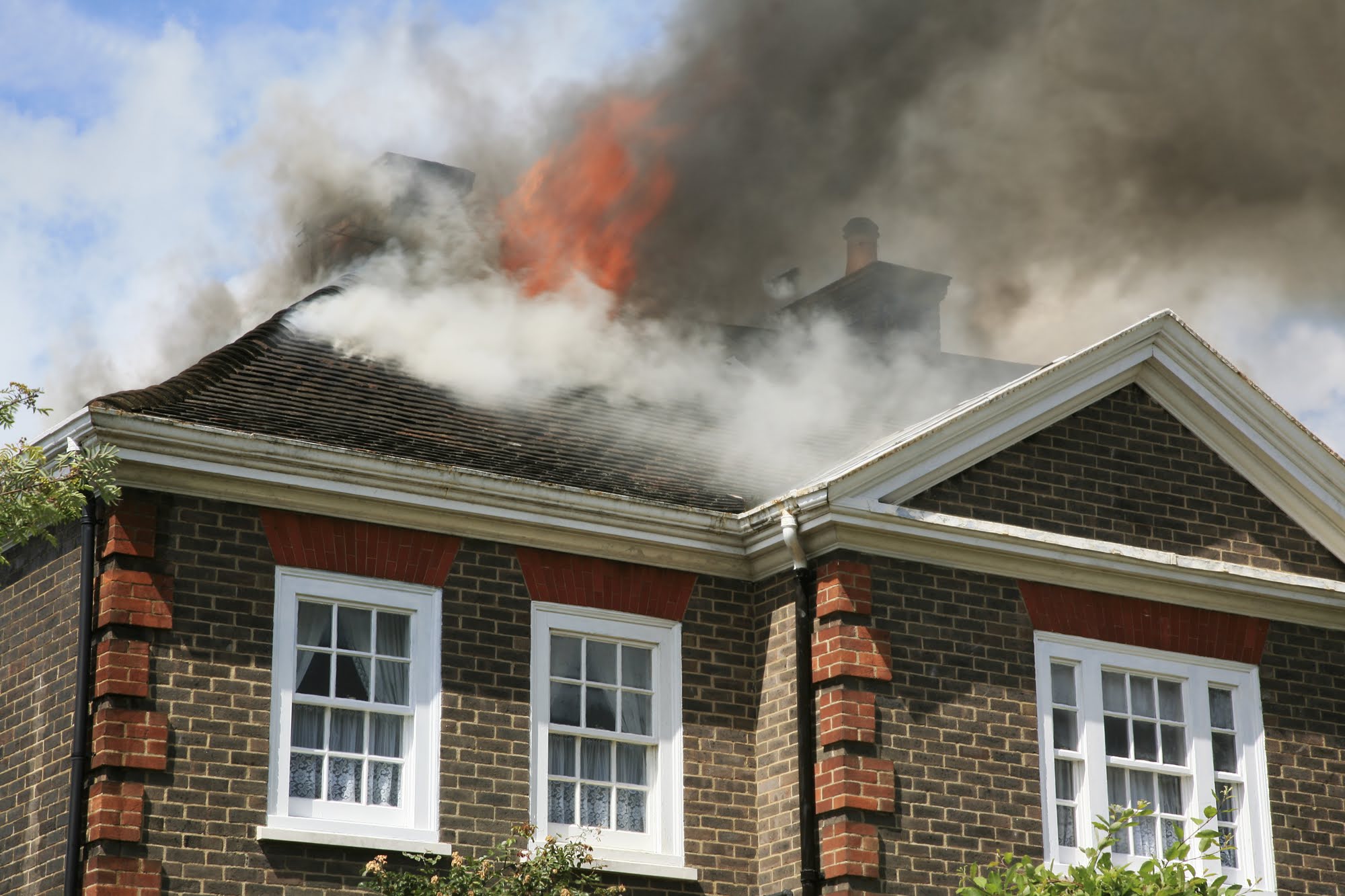
Fires may end quickly, but their effects remain long after the flames are gone. One of the most stubborn problems homeowners face is smoke damage. Unlike visible fire destruction, smoke penetrates deep into materials, leaving behind odors and health risks that don’t simply fade away.
This article will discuss why smoke damage lingers and what to do to help protect your family’s health effectively.
How Smoke Travels Through a Home
Smoke moves fast during a fire, spreading through every open space. Even after the fire is extinguished, smoke particles remain suspended in the air and settle into porous surfaces.
Carpets, upholstery, drywall, and wood absorb smoke easily, which is why odors and discoloration often persist long after cleanup. Smoke also infiltrates ventilation systems, spreading contamination throughout the home. Once inside ducts, particles circulate every time the system runs, reintroducing odors and residue into rooms.
Because smoke particles are microscopic, they are difficult to remove without professional intervention. Standard cleaning may mask the problem temporarily, but the residue resurfaces over time.
The Chemical Composition of Smoke Residue
Smoke is more than soot—it contains a complex mix of chemicals depending on what burned. Different materials release different toxins when exposed to fire.
These residues can be acidic, corroding metals and damaging electronics. They can also bond with surfaces, creating stubborn stains and odors that resist ordinary cleaning.
This chemical complexity explains why smoke damage is more than a cosmetic issue. It can weaken materials and compromise indoor air quality. Left untreated, smoke residue continues to interact with surfaces, causing ongoing deterioration.
Lingering Odors and Indoor Air Quality
One of the most frustrating aspects of smoke damage is the smell. Odors cling to fabrics on furniture and curtains, and they can even seep into paint.
Because smoke particles are so small, they can remain airborne for weeks, continually reintroducing the smell into the environment. Poor indoor air quality is more than unpleasant—it can be harmful. Prolonged exposure to smoke residue may trigger respiratory issues and headaches. Families with young and old members, or individuals with asthma, are especially vulnerable.
Without proper restoration, the home environment remains unsafe and uncomfortable due to poor indoor air quality.
The Hidden Impact on Personal Belongings
Smoke damage not only affects the structure of a home—it also impacts personal belongings that carry sentimental and financial value.
Clothing, books, photographs, and furniture often absorb smoke particles deeply, making them difficult to restore without specialized treatment. Even items stored away in closets or drawers can be affected because smoke travels easily through small openings.
For many families, the emotional toll of losing cherished possessions is just as significant as the physical damage. Professional restoration services can often salvage items that seem beyond repair, using advanced cleaning and deodorization techniques. This process helps preserve both the functionality and the memories tied to personal belongings, offering homeowners a sense of relief during recovery.
Why DIY Cleaning Often Falls Short
Many homeowners attempt to clean smoke damage themselves, but DIY methods rarely solve the problem. Household cleaners may remove surface stains, but they cannot reach the embedded particles within walls, insulation, or HVAC systems.
In some cases, improper cleaning can spread residue further or lock odors into materials. Professional restoration teams use specialized equipment such as ozone generators and HEPA vacuums to neutralize smoke particles at the molecular level.
Utilizing professional tools and applying expert measures ensures a deeper and longer-lasting solution that DIY methods cannot achieve.
The Role of Professional Restoration Services
Smoke damage requires more than surface cleaning—it demands a comprehensive approach.
Restoration experts assess the extent of contamination and treat affected areas with advanced cleaning methods. They also address hidden damage in air ducts, walls, attics, and crawl spaces.
This is where fire damage restoration becomes essential. By combining cleaning and deodorization with structural repair, professionals restore both the safety and comfort of your home. Without this level of intervention, smoke damage can continue to compromise property value and health.
Long-Term Prevention Strategies for Homeowners
While professional restoration is essential after a fire, homeowners can take steps to reduce the risk of lingering smoke damage in the future. Regular maintenance of HVAC systems helps prevent smoke particles from spreading throughout the home.
Installing high-quality air filters and replacing them frequently improves indoor air quality and reduces contamination. It is also wise to keep flammable materials stored safely and away from living spaces. Fire-resistant building materials, such as treated wood and specialized insulation, can limit the spread of smoke during a fire.
Homeowners should also schedule routine inspections of electrical systems and appliances to reduce fire risks. By combining preventive measures with professional restoration when needed, families can protect their homes more effectively and ensure a healthier living environment for years to come.
Final Thoughts
Smoke damage is one of the most persistent challenges homeowners face after a fire. Even when the flames are gone, the microscopic particles and chemical residues left behind continue to affect surfaces, air quality, and overall safety. Without professional restoration, these hidden dangers can linger for months or even years, causing ongoing damage and health risks.
If your home has suffered fire or smoke damage, don’t wait for the problem to worsen. Contact our team today for comprehensive damage restoration services.
Frequently Asked Questions
How long does smoke damage last if untreated?
Smoke damage can persist indefinitely if not properly addressed. Odors may linger for months, and chemical residues can continue to corrode surfaces and affect air quality.
Can smoke damage affect electronics?
Yes. Smoke residue is often acidic and can corrode internal components of electronics, leading to malfunctions or permanent failure. Electronics exposed to smoke should be inspected and cleaned by professionals to prevent long-term damage.
Is it safe to stay in a home with smoke damage?
It depends on the severity. Light smoke damage may only cause odors, but heavy contamination can pose health risks, especially for sensitive individuals, making a professional assessment essential.
What areas of a home are most affected by smoke?
Porous materials such as carpets, upholstery, drywall, and insulation are most vulnerable. HVAC systems also spread smoke particles throughout the property. Even areas far from the fire can be affected due to smoke circulation.
Can professional cleaning completely remove smoke odors?
Yes, with the right equipment and techniques. Restoration specialists use advanced methods to neutralize odors at the molecular level, ensuring long-term results.