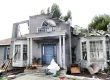
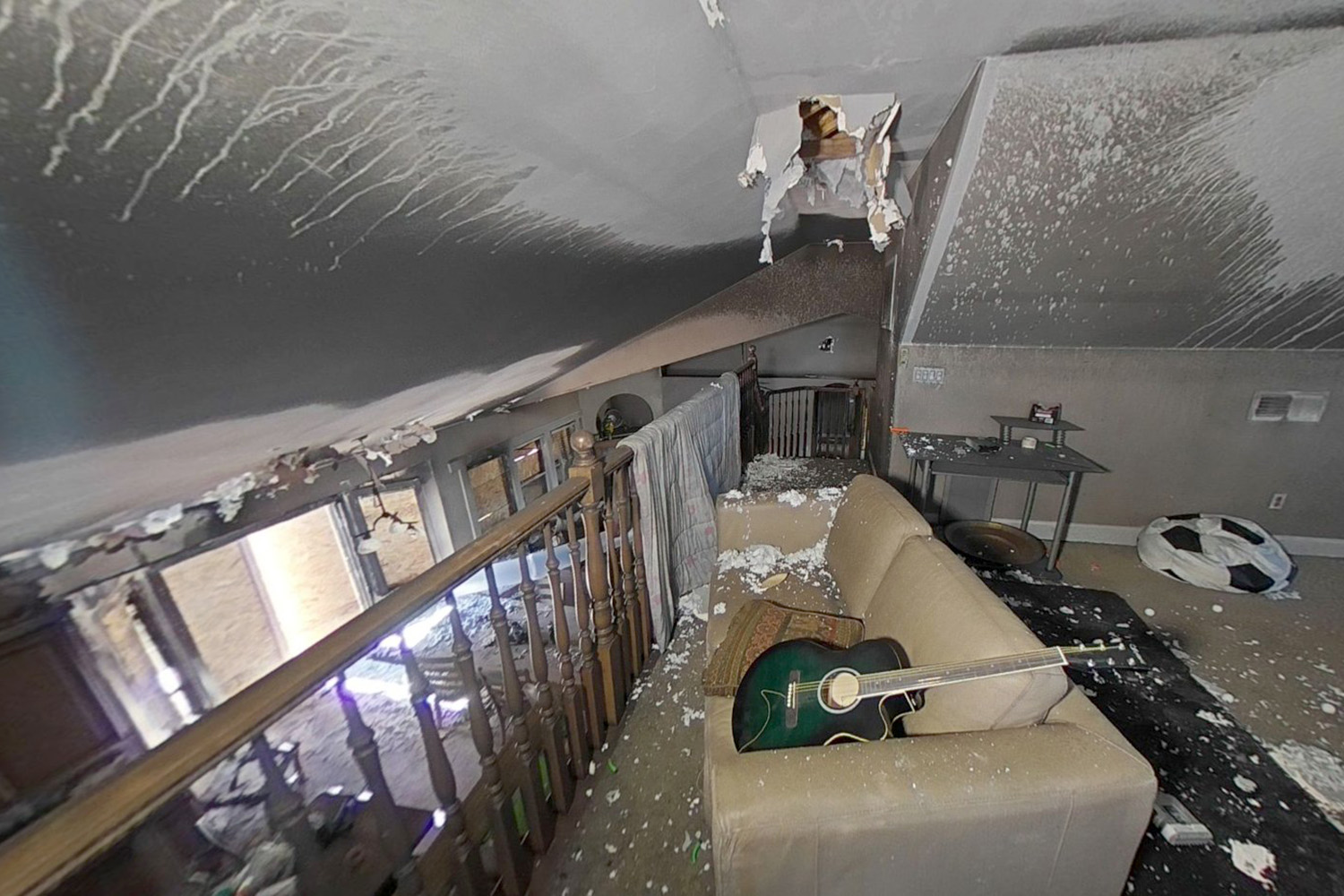
A house fire is one of the most devastating events a homeowner can experience. Once the flames are extinguished, the road to recovery begins — and it’s longer and more complex than most people realize. Fire damage doesn’t end with the fire itself. Smoke, soot, and water from firefighting efforts can cause extensive secondary damage throughout a home, often in places you’d least expect.
Whether you’re dealing with a minor kitchen fire or significant structural damage, understanding the fire damage restoration process empowers you to make informed decisions, work effectively with professionals, and protect your investment. Here’s a comprehensive breakdown of every step involved.
The 8 Steps of Fire Damage Restoration
Step 1: Emergency Contact and Initial Assessment
The restoration process begins the moment you call a professional damage restoration company — ideally within hours of the fire being extinguished. Quick response is critical because smoke and soot continue to cause damage long after the fire is out. Acidic soot can permanently etch surfaces, discolor walls, and corrode metals within 24 to 72 hours.
During this phase, restoration specialists conduct a thorough walkthrough to assess the full scope of damage: structural integrity, smoke penetration, water damage from firefighting, and potential hazards like asbestos or compromised electrical systems. This assessment forms the foundation of the restoration plan.
Step 2: Board-Up and Roof Tarping
If the fire has left your home structurally exposed — broken windows, damaged walls, or a compromised roof — the next priority is securing the property. Restoration crews will board up openings and tarp damaged roof sections to prevent further weather damage, vandalism, or unauthorized entry. This step protects your property while the full restoration plan is developed.
Step 3: Water Removal and Drying
Firefighters use thousands of gallons of water to combat a blaze, and that water soaks into floors, walls, insulation, and furniture. Standing water must be extracted immediately using industrial pumps and wet vacuums. Once bulk water is removed, industrial air movers and dehumidifiers are deployed to dry out the structure thoroughly. Failure to address moisture quickly leads to mold growth, which creates a second, equally serious remediation problem.
Step 4: Smoke and Soot Removal
This is one of the most labor-intensive phases of fire restoration. Smoke travels far beyond the fire’s origin, seeping into walls, ductwork, attics, and even inside closed cabinets. Soot — the fine black particles produced by incomplete combustion — coats surfaces and embeds itself in porous materials.
Technicians use a combination of methods to address smoke and soot:
• Dry cleaning sponges for loose soot on delicate surfaces
• HEPA vacuuming to capture fine particles without spreading them
• Chemical sponges and cleaning agents formulated for smoke residue
• Thermal fogging and ozone treatments to neutralize smoke odors
• Air scrubbers with HEPA filtration to clean airborne particles
Step 5: Cleaning and Sanitizing
After soot and smoke residue are removed, every salvageable surface — walls, ceilings, floors, countertops, and belongings — must be thoroughly cleaned and sanitized. This step also includes cleaning HVAC systems and ductwork, which can distribute smoke odor and particles throughout the home if left untreated.
Personal belongings such as clothing, furniture, and documents are inventoried. Items that can be restored are sent to specialized cleaning facilities; those beyond recovery are documented for insurance purposes.
Step 6: Odor Removal
Smoke odor is notoriously stubborn. Even after visible soot is removed, the smell can linger in walls, insulation, and soft materials for months if not properly treated. Professional restoration teams deploy multiple strategies: ozone generators that chemically neutralize odor molecules, hydroxyl generators that break down odor-causing compounds without requiring the space to be vacated, and thermal fogging that penetrates surfaces the way smoke did — eliminating odors at their source rather than masking them.
Step 7: Structural Repair and Reconstruction
With the property cleaned, dried, and deodorized, structural repairs begin. Depending on the severity of the fire, this can range from replacing drywall and repainting to full-scale reconstruction of rooms or entire sections of the home. Licensed contractors rebuild framing, replace insulation, install new flooring, and restore all systems, including electrical, plumbing, and HVAC.
This phase is closely coordinated with your insurance adjuster to ensure all work is documented and covered appropriately under your policy.
Step 8: Final Inspection and Restoration Complete
Before the home is cleared for occupancy, a final walkthrough is conducted to ensure all restoration work meets quality and safety standards. Air quality testing may be performed to confirm that smoke particulates and VOCs (volatile organic compounds) are within safe levels. Once everything passes inspection, your home is returned to pre-loss condition — or better.
The Bottom Line
Fire damage restoration is a precise, multi-phase process that requires professional expertise, specialized equipment, and careful coordination with your insurance provider. While the experience of dealing with fire damage is undeniably stressful, working with a qualified restoration team ensures your home is not just repaired — but fully and safely restored.
Acting quickly, choosing certified professionals, and staying informed about each step of the process are the most important things you can do to protect your home, your health, and your peace of mind during recovery. Reach out to our team at Envirotech if you need to restore your home after a fire.
Frequently Asked Questions
How long does fire damage restoration take?
The timeline depends heavily on the severity of the damage. A minor fire affecting a single room might take 1–2 weeks. Moderate damage can take 3–6 weeks. Significant structural fires may require 3–6 months or more, particularly when major reconstruction is involved. Your restoration company should provide a detailed timeline estimate after the initial assessment.
Will my homeowner’s insurance cover fire damage restoration?
In most cases, yes. Standard homeowner’s insurance policies cover fire damage restoration, including debris removal, cleaning, and reconstruction. However, coverage details vary by policy. It’s important to contact your insurer immediately after a fire, document all damage thoroughly with photos and videos, and keep records of all expenses. A reputable restoration company will typically work directly with your insurance adjuster to streamline the claims process.
Is it safe to stay in my home after a fire?
In most cases, no — at least not immediately. Even if the structural damage appears minor, smoke residue and soot contain toxic chemicals that pose serious health risks, including carcinogens and respiratory irritants. Additionally, fire can compromise structural integrity in non-obvious ways. Always wait for clearance from fire officials and restoration professionals before re-entering or staying in the home.
Can smoke-damaged belongings be saved?
Many items can be professionally restored, including clothing, furniture, electronics, documents, and artwork. Specialized restoration services use ultrasonic cleaning, ozone treatment, and document freeze-drying to recover items that appear beyond saving. However, porous materials that have absorbed deep smoke odor or items with extensive char damage may need to be replaced. Your restoration company will help inventory and assess each item.