
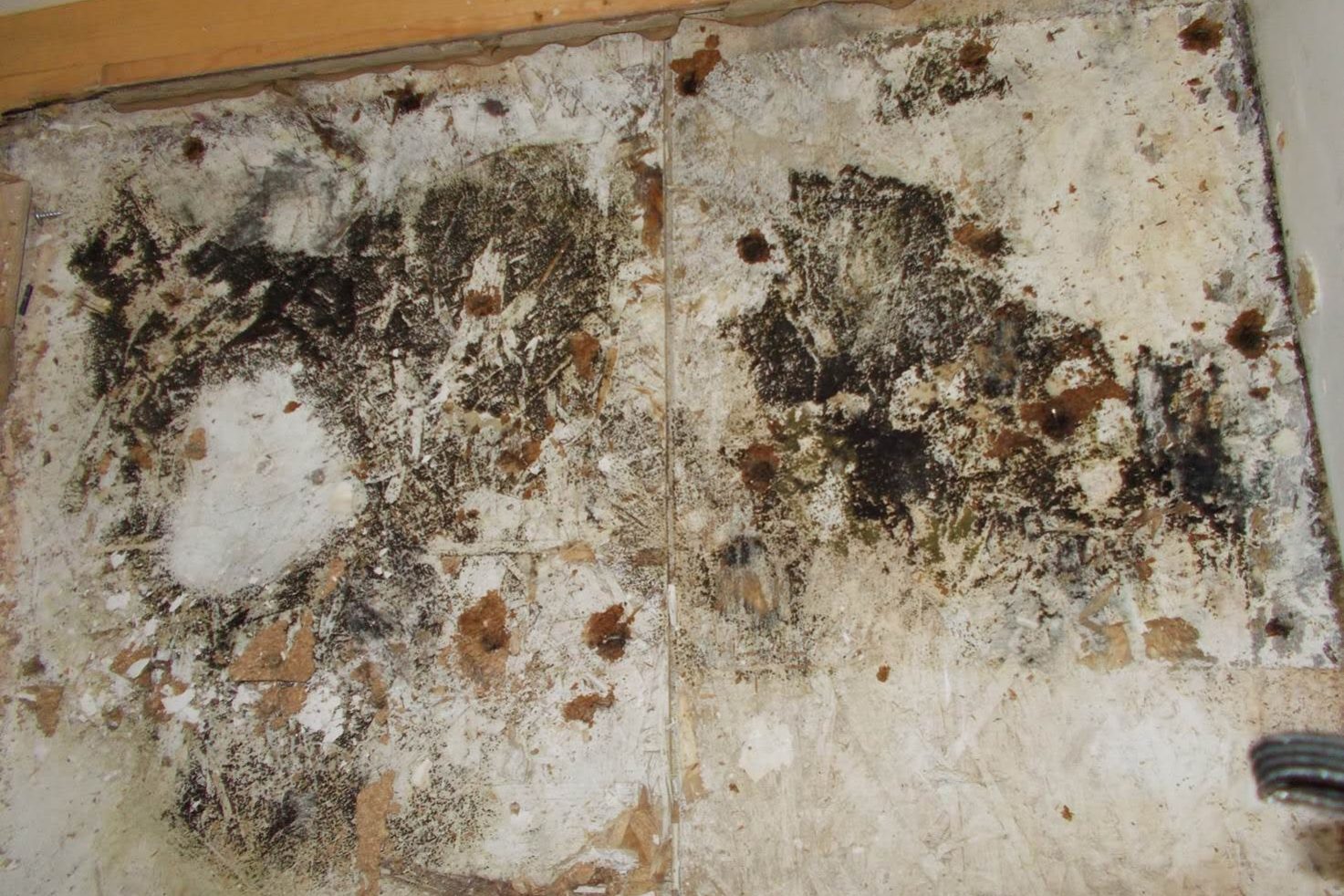
Mold can be a hidden issue in homes and businesses, quietly spreading in damp corners or behind walls. A professional mold inspection is the best way to uncover problems early and protect both property and health. Knowing what happens during the process helps you feel prepared and reassured.
Beginning the Consultation and Background Assessment
The inspection begins with a conversation. The professional will ask about recent water leaks, flooding, or humidity problems. They may also inquire about visible mold, unusual odors, or health symptoms experienced by occupants. This background information helps them focus on the most likely problem areas.
Inspectors also review the property’s history. Past repairs, renovations, or water damage restoration efforts can reveal weak points where mold might thrive. This step ensures the inspection is targeted and efficient, saving time while increasing accuracy.
Conducting the Visual Examination of Key Areas
The next stage is a thorough visual inspection. Professionals look for visible mold growth, water stains, or discoloration on walls, ceilings, and floors. They also check hidden spaces such as attics, crawl spaces, basements, and behind appliances. Even small patches of mold can signal larger problems beneath the surface.
Specialized tools like moisture meters and infrared cameras are often used. These devices detect dampness that may not be visible, helping inspectors identify areas at risk of mold growth before it spreads further.
Performing Air Quality and Surface Sampling
When mold is suspected but not visible, inspectors collect samples. Air quality testing measures the concentration of mold spores in different areas of the property. Surface samples may be taken from walls, furniture, or HVAC systems to confirm the presence of mold.
Results provide detailed information about the type of mold present and its potential impact on health. This scientific approach ensures accuracy and guides the remediation process with clear evidence.
Identifying the Moisture Sources
Mold cannot grow without moisture, so inspectors focus on finding the source. This could be a leaking pipe, poor ventilation, or groundwater intrusion. By identifying and addressing these issues, future mold growth can be prevented.
Plumbing systems, roofing, insulation, and ventilation are carefully checked. Inspectors may also recommend improvements such as dehumidifiers for better airflow to reduce humidity levels indoors. Addressing moisture sources is key to long-term prevention.
Presenting the Findings and Recommendations
After completing the inspection, the professional provides a comprehensive report. This document outlines the findings, including affected areas, types of mold detected, and moisture sources. It also includes recommendations for remediation and prevention.
The report is designed to be clear and actionable. Property owners can use it to make informed decisions about next steps, whether that involves mold removal, structural repairs, or ongoing monitoring. Having a professional guide ensures nothing is overlooked.
Preparing the Property for Mold Remediation
If mold is confirmed, remediation is the next step. Inspectors often work closely with remediation teams to ensure the problem is addressed thoroughly. This may involve removing contaminated materials, cleaning affected areas, and applying treatments to prevent regrowth.
Understanding the inspection process helps property owners feel more confident about remediation. It ensures that the problem is tackled at its root, not just on the surface. Professional remediation restores safety and peace of mind.
Supporting Health and Safety During the Process
A professional mold inspection is not only about protecting property—it’s also about safeguarding health. Mold exposure can cause respiratory issues, allergies, and other health concerns. By identifying and addressing mold early, inspections help create a safer living and working environment.
Professionals also provide guidance on maintaining healthy indoor air quality. Simple steps like controlling humidity, repairing leaks promptly, and scheduling regular inspections can make a big difference in preventing future problems.
Preventing Future Mold Growth With Long-Term Strategies
The true value of a mold inspection lies in prevention. By identifying risks early, homeowners and business owners can take proactive steps to protect their property. Regular inspections, especially after water damage or renovations, help ensure that mold does not return.
Peace of mind comes from knowing your property is safe. With professional guidance, you can maintain a healthier environment and avoid costly repairs in the future. Prevention is always more effective than dealing with a full-blown mold problem later.
Relying on Professional Expertise for Lasting Protection
While DIY mold test kits exist, they rarely provide the accuracy or depth of a professional inspection. Certified inspectors bring training, experience, and specialized tools that ensure reliable results. They know how to interpret subtle signs, identify hidden moisture, and recommend solutions tailored to your property.
Choosing professional expertise means you’re not just getting a surface-level check—you’re receiving a complete evaluation backed by science and industry standards. This level of detail helps prevent recurring issues and gives you confidence that your home or business is truly safe.
Final Thoughts
A professional mold inspection is a proactive step toward protecting your property and health. By understanding the process, you can approach it with confidence and take the right actions to keep your home or business safe. Whether it’s identifying hidden moisture, testing air quality, or providing expert recommendations, inspectors play a vital role in maintaining a healthy environment.
If you’re ready to protect your property, contact us today for expert mold inspection, remediation, and restoration services.
Frequently Asked Questions
How long does a mold inspection take?
Most inspections take between one and three hours, depending on the size of the property and the complexity of the issue. Larger homes or commercial spaces may require more time.
Do I need to leave my home during the inspection?
In most cases, you can remain at home during the inspection. The process is non-invasive and safe. However, if remediation is required later, temporary relocation may be recommended.
Can mold inspections detect hidden problems?
Yes. Inspectors use advanced tools such as moisture meters and infrared cameras to detect hidden dampness. Air and surface sampling also reveal mold that may not be visible.
How often should I schedule a mold inspection?
It’s wise to schedule an inspection after any major water event, such as flooding or leaks. Routine inspections every few years can also help prevent problems before they become serious.
What happens if mold is found?
If mold is detected, the inspector will provide a detailed report and recommend remediation. This may involve professional cleaning, removal of contaminated materials, and repairs to prevent future growth.